
Want to know what your cards are worth? Stakks is free.
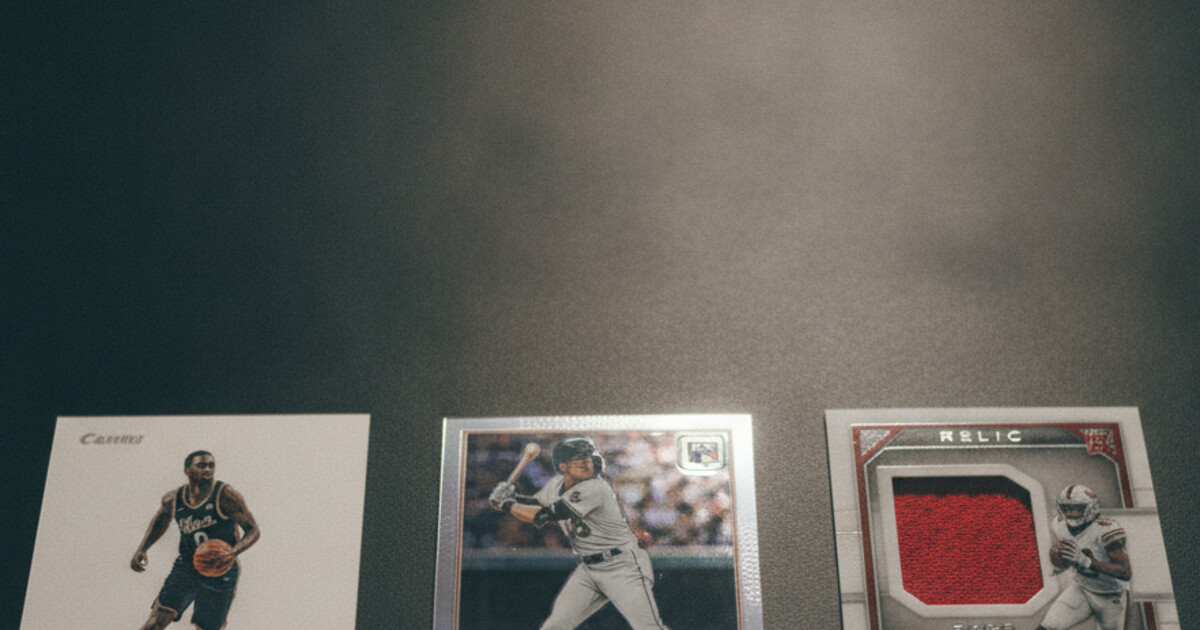
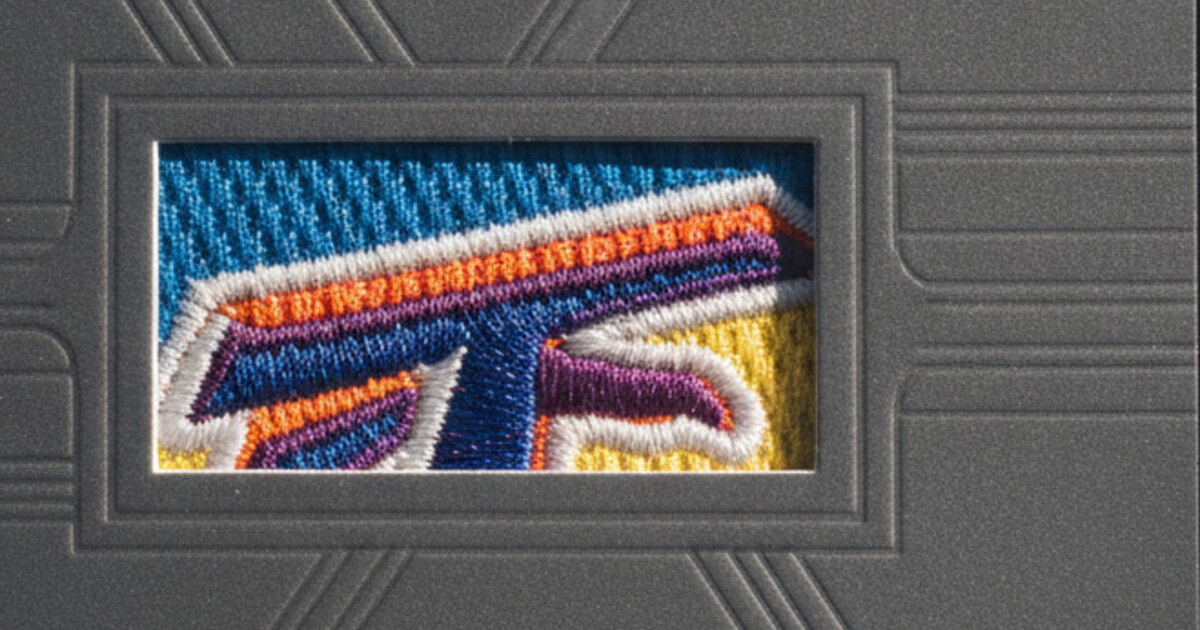
You pull a card from the pack and it’s heavier than the rest. The face has a rectangular window cut into it, with a small swatch of fabric pressed behind transparent film. You can see the threads, the color, maybe even stitching from where a name or number met the jersey.
That’s a relic card. And depending on what’s in that window, it could be worth $5 or $5,000.
Relic cards embed pieces of game-worn material directly into the cardboard. Jerseys, bats, balls, gloves, cleats: manufacturers cut them up and seal the pieces into cards. They’ve been part of hobby boxes since the late 1990s, and the better ones carry real secondary-market weight. Knowing how to read a relic card, and how to tell a plain jersey swatch from a prime patch, changes how you evaluate every box break.
A relic card is any trading card that contains a piece of game-worn or game-used material embedded in a die-cut window. Patch cards are a specific subset: they hold multi-colored swatches from a player’s name plate, jersey number, or team logo area. Relic cards are always inserts and almost always numbered.
What Makes a Card a Relic Card?
The defining feature is the window. Manufacturers cut an opening into the card face (usually rectangular) and press a swatch of material behind transparent film. The backing seals everything in place. Turn the card over and you’ll see the material from the reverse side.
The source material matters. Manufacturers work with teams and licensed representatives to collect game-worn equipment. A jersey from an actual game, a bat used in a playoff series, a net cord from an NBA Finals win: these get cut into small swatches and distributed across cases. The authentication label on the card tells you what the material is and where it came from.
The most common relic is a single-color jersey swatch: a plain white or team-colored fabric piece with no special markings. Single-color relics are the most plentiful tier and carry the lowest value. From there, the tiers go up:
- Two-color swatch: two colors from the jersey body or sleeve
- Three-color swatch: three colors, usually near a stripe or logo area
- Patch: a multi-colored piece containing letters, numbers, or logo elements
- Prime patch: from the highest-value jersey area (name plate, front logo)
- Logoman: the complete team logo from the jersey, one of the rarest relic types in the hobby
Relic cards were first popularized in the mid-1990s when manufacturers began cutting game-worn jerseys and embedding swatches into cards. Upper Deck’s 1997 Game Jersey series is widely considered the format’s breakthrough. By the early 2000s, every major manufacturer (Topps, Panini, Donruss) had incorporated relics into their products. Today, relic cards span six tiers based on the material inside. A plain single-color jersey swatch is the most common pull, found at roughly 1-in-10 to 1-in-20 packs in mid-tier hobby products. Patch cards, which contain multi-colored swatches from a player’s name plate, jersey number, or team logo area, typically carry print runs from /5 to /99. Logoman patches, the complete team logo cut from the jersey, are usually printed at 1/1, making them some of the most sought-after pieces in modern collecting. Secondary market prices for a star player logoman regularly reach $5,000 to $50,000 depending on the player and condition.
The Difference Between Relic Cards and Patch Cards
All patch cards are relic cards, but not all relic cards are patches. The terms get mixed together in the hobby, which trips up newer collectors.
A relic card is the broad category. Any card with embedded material qualifies. A patch card specifically contains a multi-colored swatch from a jersey area with design elements: the player’s last name stitched across the back, the number on the front, or the team’s primary logo on the chest.
The value gap between a single-color relic and a patch from the same card set can be substantial. A common player jersey swatch might sell for $3-8. A patch of the same player showing two or more colors from a name plate could go for $30-80. A prime logoman from a star player in a premium product pushes into the hundreds or thousands.
Condition of the swatch matters too. A patch with clean, vibrant stitching and no fraying commands more than a worn-looking piece from the same player in the same set.
Manufacturers also distinguish between “game-worn” and “player-worn” on the card label. Game-worn means the equipment was used during an actual game. Player-worn covers materials from practice sessions, All-Star events, or photo shoots. Still licensed, still authentic, but carrying less prestige with serious collectors.
How Much Are Relic and Patch Cards Worth?
Four factors drive relic card value: the player, the material tier, the print run, and the product line.
Player is usually the biggest factor. A logoman from Patrick Mahomes is worth far more than the same format from a backup linebacker. Star players from marquee sports (NFL, NBA, MLB) command the highest prices, with Hall of Famers and active superstars outperforming everyone else.
Material tier maps directly to rarity. Single-color jersey swatches are plentiful. Logomans are nearly impossible to pull. Collectors sum this up quickly: “the relic is nice, but the patch is the card.”
Print run narrows the pool. Relic cards in entry-level products might carry no serial number at all, making them effectively unlimited. Patch cards from premium sets (Panini National Treasures, Topps Dynasty) are almost always numbered, often to /10 or fewer. A patch numbered /5 of a Hall of Famer from the right set is genuinely scarce.
Product line matters because manufacturers vary their source material standards. National Treasures is known for authenticated game-worn jerseys with documented provenance. Some lower-tier products use player-worn materials from non-game events, which collectors value less even when the patch looks similar in the window.
As a rough guide to current market ranges:
- Common player, single-color relic: $2-15
- Star player, single-color relic: $15-75
- Patch card from a star player, numbered /25 or fewer: $100-500
- Prime logoman from a star player: $1,000-50,000+
These are estimates based on recent secondary-market activity, not guarantees. Actual prices depend on the player’s current performance, condition, and what buyers pay on any given day.
How to Identify a Relic or Patch Card
Spotting a relic is straightforward: there’s a physical window cut into the card. Here’s what to check:
The window. A die-cut opening in the card face with a swatch pressed behind transparent film. Windows are usually rectangular or irregularly shaped to show the material clearly.
The label. Most relic cards carry a label on the front or back specifying the material: “Game-Worn Jersey,” “Patch,” “Relic,” or “Memorabilia.” The label should name exactly what you’re looking at. A card with no label at all is unusual.
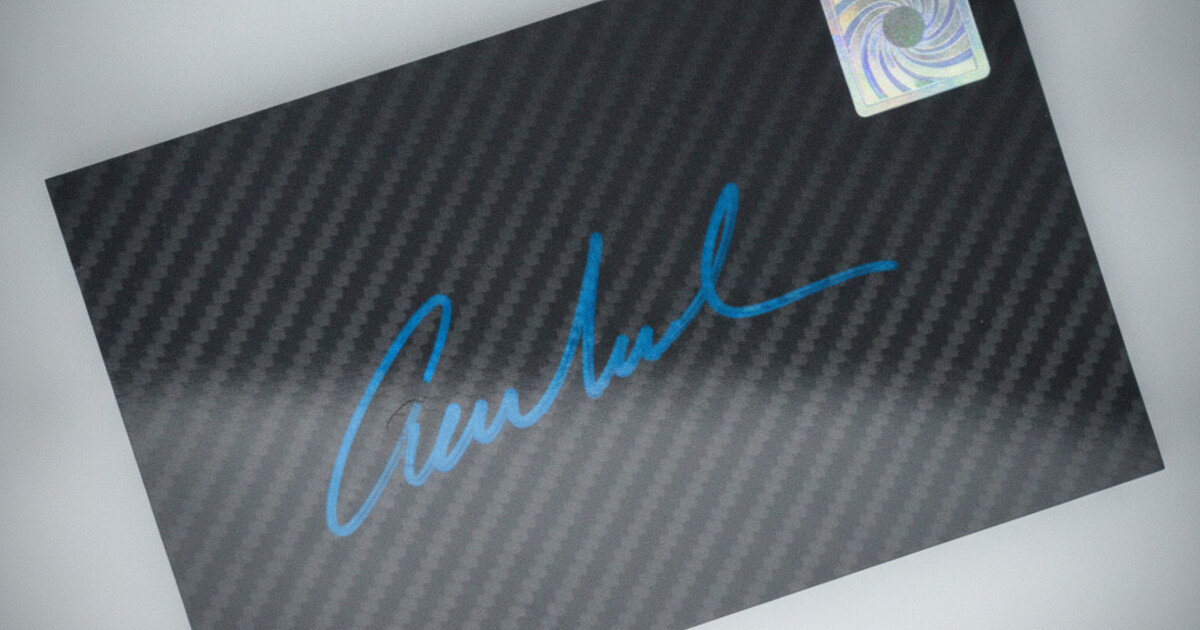
The authentication mark. Authentic relic cards from major manufacturers include a holographic or foil seal. Panini typically uses a silver sticker; Topps has embedded foil. A missing authentication mark on a higher-end patch is a red flag worth investigating.
The print run stamp. Flip the card over. Patch cards are almost always hand-numbered (e.g., 23/50). Some un-numbered relics exist in base products, but numbered patches should have a matching ink stamp on the back. If the number looks printed rather than hand-stamped, verify carefully.
Relic cards are a type of insert card by definition: they never appear in the base set. If you’re sorting a collection and aren’t sure what category a card falls into, the embedded window settles it. For cards that look off, our guide to spotting fake and reprint sports cards walks through 6 physical tells that separate authentic from counterfeit.
What Is a Relic or Patch Card Worth Right Now?
Knowing what a relic card is called doesn’t tell you what it’s worth today. A jersey swatch from a star player could sit at $15 or $150 depending on the specific set, print run, and where the market stands. That gap matters when you’re pricing an inherited collection or buying at a card show.
Stakks scans the card and pulls live market data. Point the camera at a relic or patch card and the app identifies the player, set, year, rarity, and serial number, then shows the current estimated value range from recent sales. You see the low price, the high price, and a trend indicator showing whether the card is moving up, down, or holding steady.
The app covers baseball, basketball, football, hockey, and soccer. Add cards to named collections and track total portfolio value as it shifts. If you’ve got a box of relics to sort through, each scan takes a few seconds.
Download Stakks free on iOS and Android at stakks.app.
Frequently Asked Questions
What toploader do relic cards need?
Relic and patch cards are thicker than standard cards, so a regular 35pt toploader won’t fit. Use a 75pt, 100pt, or 130pt thick-card toploader depending on the swatch — the packaging lists the point size. Sleeve first, then the thick toploader. Our card storage guide covers the full supply hierarchy.
What’s the difference between a relic card and a patch card?
A relic card contains any piece of game-worn material, usually a single-color jersey swatch. A patch card is a relic with a multi-colored swatch from a jersey area with design elements: the player’s name, number, or team logo. Patches are rarer and command higher prices than plain relics from the same set.
Are relic cards worth anything?
It depends on the player and material tier. Common player jersey swatches often sell for $2-15. Patch cards from star players numbered to /25 or fewer regularly reach $100-500. Prime logoman patches from Hall of Famers sell for thousands. The swatch alone doesn’t make the card valuable; the player and print run determine the ceiling.
How do I know if a relic card is authentic?
Check for the manufacturer’s authentication mark: a foil stamp or holographic seal on the front or back. Authentic relic cards from Topps and Panini include these marks. If the swatch label is misspelled, the foil is missing, or the card feels lighter than expected, research the specific set’s known authentication features before buying.
What is a logoman card?
A logoman is a relic card containing the complete team logo cut from a game-worn jersey. Because only a few logos exist per jersey, logomans are almost always printed at 1/1. They command premium prices even for mid-tier players and sit at the top of the relic tier hierarchy.
Can Stakks identify relic and patch cards?
Yes. Scan the front of your relic or patch card with Stakks and the app identifies the set, player, year, rarity, and serial number. It then shows current market value from recent sales. Relic-specific details (swatch type, serial number) appear in the card detail view.
If you’ve got relic and patch cards to go through and want to know what they’re actually worth on today’s market, scan them with Stakks. The app identifies the card, the swatch tier, and the current price range in seconds. Download free on iOS and Android at stakks.app.