Best Way to Store Graded Cards: A Collector's Guide
Learn how to store graded cards safely, from slab boxes to UV display cases. Protect your PSA, BGS, and SGC slabs from UV, scratches, and humidity.
Tips, guides, and insights from the Stakks team.
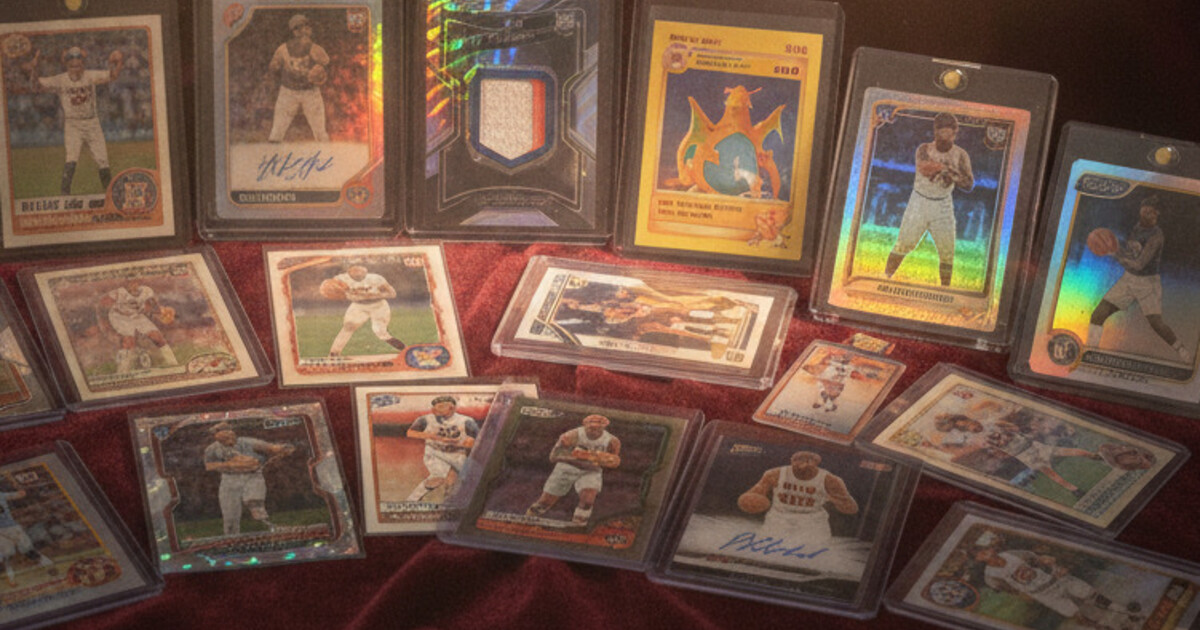
Learn how to store graded cards safely, from slab boxes to UV display cases. Protect your PSA, BGS, and SGC slabs from UV, scratches, and humidity.
Learn how to protect sports cards from damage with the right sleeves, holders, storage setup, and handling habits. Preserve card condition and value.
How to catalog a large card collection: sort first, scan to identify, capture key fields, and track total value. Works for 500 to 50,000 cards.
Comparing a sports card inventory app versus a spreadsheet for tracking your collection. See what each does well and when an app like Stakks makes sense.
Learn how to track sports card portfolio value with scanner apps, spreadsheets, and regular price checks. Know exactly what your collection is worth.
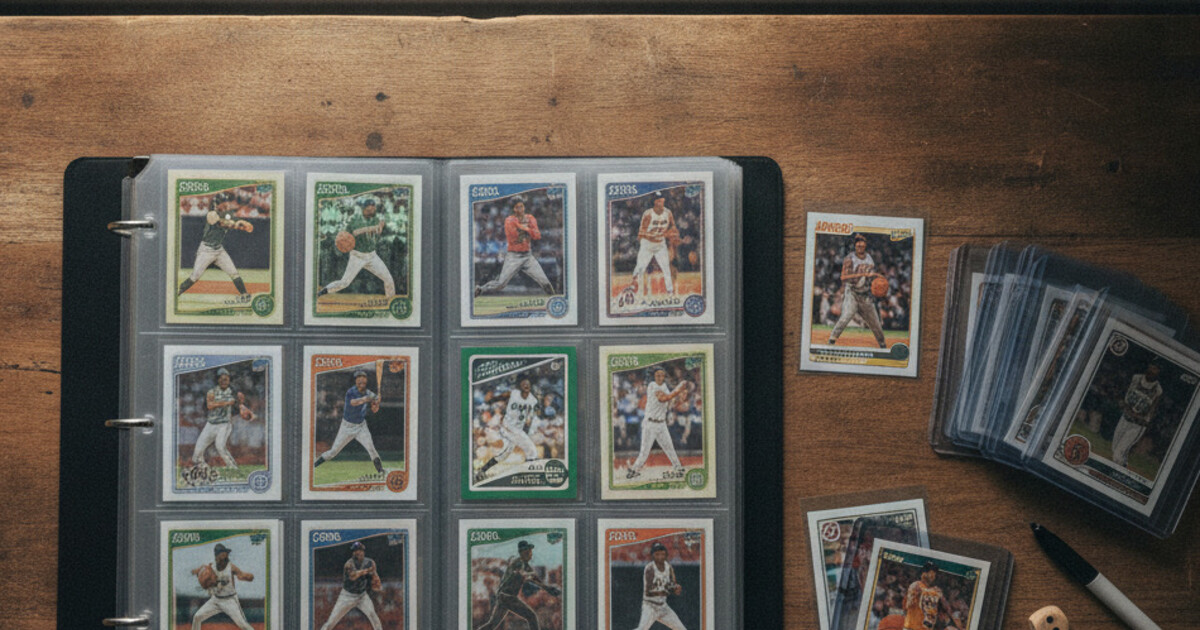
Learn the right way to store sports cards with penny sleeves, toploaders, binders, and boxes. Keep your collection safe and your card values intact.
How to organize a sports card collection: sort by sport, player, or set; use penny sleeves and toploaders; then track your collection digitally.
Sports cards can increase in value, but most don't. Learn which cards appreciate, what drives long-term value, and how to track your collection's worth.
Topps card values run from $0.10 to millions. Learn what drives the price: set, player, card type, and condition. Check any Topps card's value fast.
The most expensive sports cards ever sold, from the $12.6M Mickey Mantle to a $4.3M Mahomes rookie. Real auction results and what drove each record price.
Sports card value lookup tools pull real sale prices from recent market data. Here's how they calculate your card's worth and which factors matter most.
Learn how to price sports cards for selling using eBay sold data, condition tiers, and print run. Get your ask right before you list.
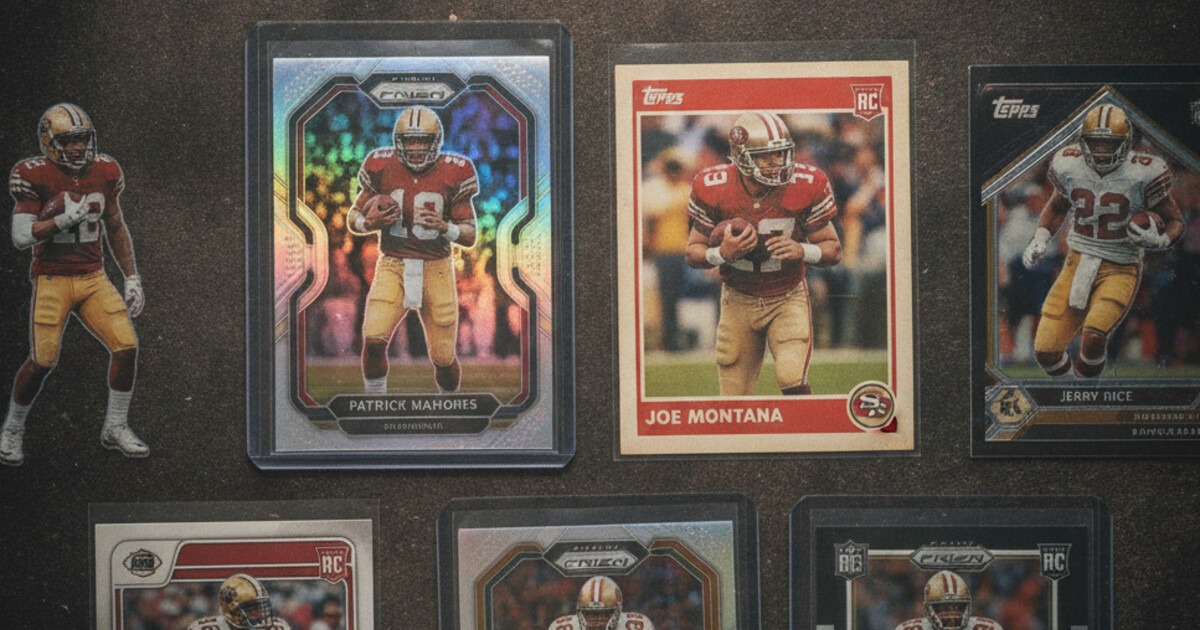
The most valuable football cards to look for, from Mahomes' $4.3M National Treasures RC to Brady and Montana rookies. Learn which types carry real value.
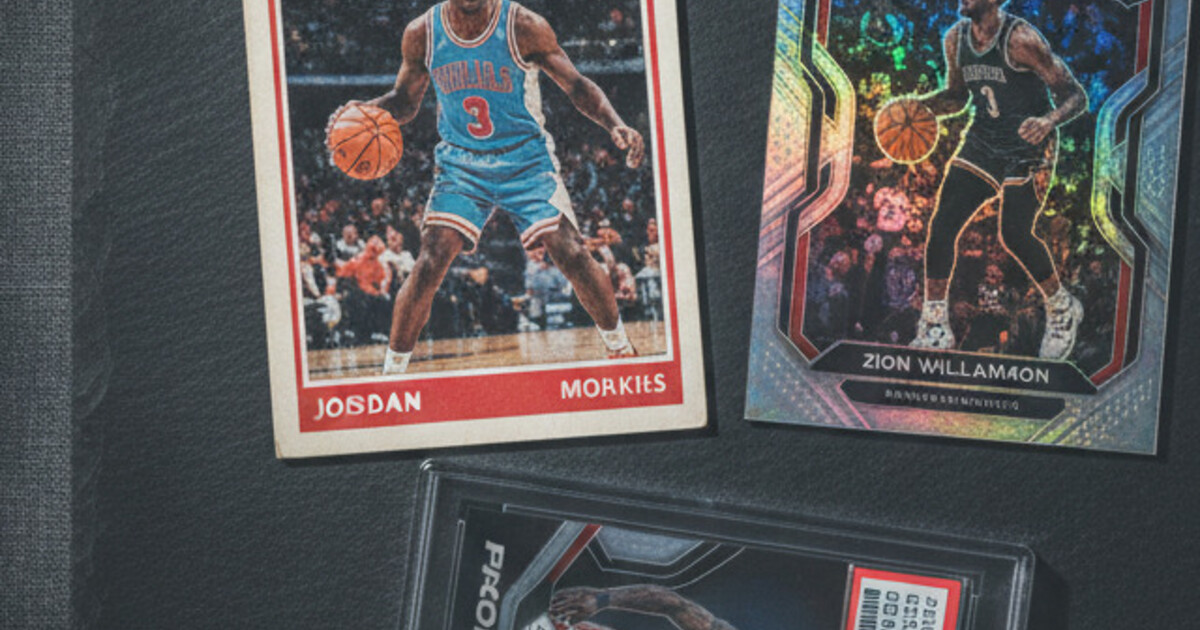
The most valuable basketball cards to look for, from Jordan's 1986 Fleer RC to Wembanyama Prizm rookies. Learn what separates $1 cards from $700K ones.
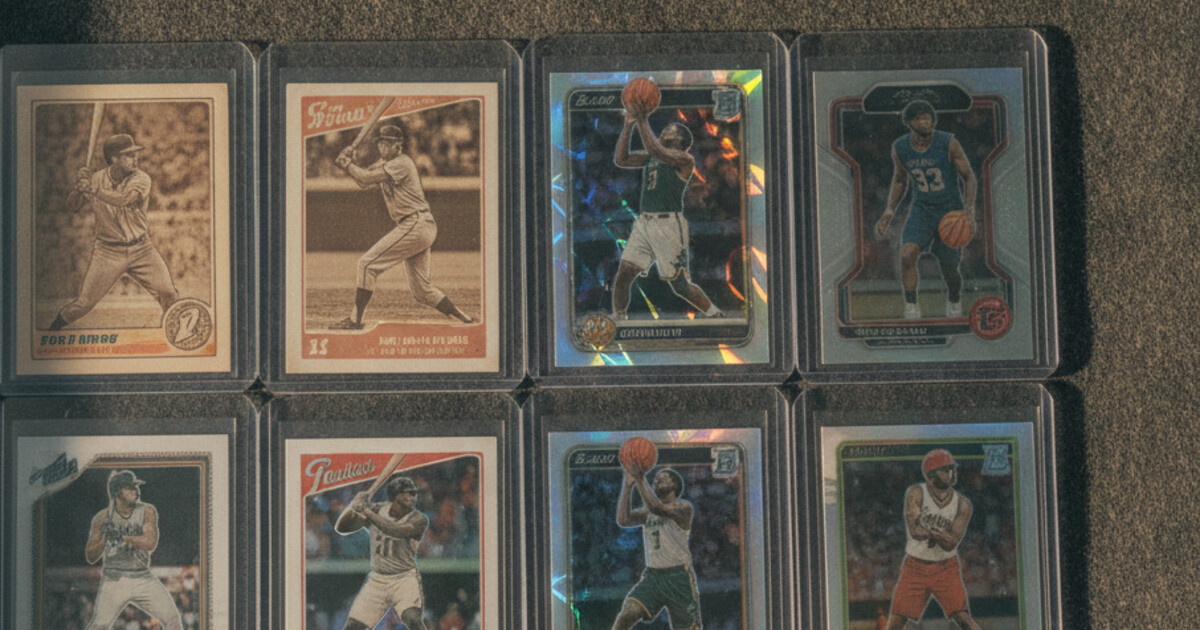
Discover which baseball cards are worth serious money: rookie cards, certified autos, numbered parallels, vintage stars, and error cards collectors hunt.
Most 1990s sports cards aren't worth much. Overproduction during the junk wax era killed prices. Here's how to spot the cards that still have real value.
Most old baseball cards are worth very little, but some are genuinely valuable. Here's how to sort the worthless from the worth-your-time.
Find out what your football cards are worth. Learn the 5 value factors, which cards matter, and how to check prices fast with a free card scanner.
Find out how much your basketball cards are worth. We break down the 5 key value factors, how to check prices, and which cards are worth keeping.
Asking how much your baseball cards are worth? Find a card's value step by step: sold prices, free lookup tools, and where to get cards appraised.
Chrome cards and paper cards look similar but aren't. Learn what makes them different, why chrome sells for 2-5x more, and how to tell them apart.
Learn how to tell the year a sports card was made: copyright dates, design clues, card databases, and how the year affects value.
An autograph card is a certified trading card with a player's genuine signature. Learn what auto cards are, the types to know, and how much they're worth.
Relic cards contain game-worn material embedded in the card. Learn what relic and patch cards are, how to tell them apart, and what drives their value.
Learn the difference between base cards, rookie cards, and inserts. What each type means, how to spot them, and which cards are worth more.
Learn how to spot a fake or reprint sports card before you buy. Six physical checks collectors use to catch counterfeits, plus what reprints actually look like.
A numbered card has a serial number showing how many copies were made. Lower print runs mean rarer cards and higher values. Here's what the numbers mean.
A refractor card is a parallel with a prismatic coating that bends light into a rainbow shimmer. Learn what makes them valuable and how to spot one.
Graded cards can sell for 2-10x more than raw copies, but grading every card wastes money. Learn what the difference is and when grading actually pays off.
Learn what makes a sports card rare: print runs, rookie status, autographs, and more. Find out if your cards are worth more than you think.
Learn how to read a sports card — find the year, set name, and card number, and understand what each detail means for value.
Short print (SP and SSP) cards are rarer versions of base cards printed in smaller quantities. Learn what they are, how to spot one, and what they're worth
An insert card is a bonus card found in packs with its own unique design, not part of the base set. Learn what types exist and what makes them valuable.
RC stands for Rookie Card, a player's first officially licensed card. Learn what the RC logo means, why it drives value, and how to spot a true RC.
A parallel card is an alternate version of a base card printed in limited quantities with a different color or finish. Learn what makes parallels valuable.
Learn how to identify a rookie card — what the RC logo means, how to spot a true rookie vs. a reprint, and how to confirm the year and set in seconds.
Learn how to tell if a sports card is valuable — the 6 factors that drive price, what to look for, and how to check the real market value in seconds.
Asking "what's my card worth?" Here's how to find a sports card's real market value fast — what drives price, where to check it free, and how to skip the eBay digging.