
Want to know what your cards are worth? Stakks is free.
You open a pack and pull 2 Ohtani cards. Same player, same year printed on the wrapper, same team. One catches the light with a mirror-like shimmer. The other looks flat and ordinary. One sells for $20. The other sells for $3. The difference comes down to what they’re made of: chrome versus paper.
A chrome card is printed on chromium-coated cardstock, giving it a reflective, mirror-like surface. A paper card uses standard cardstock with a matte or semi-gloss finish. Chrome cards typically sell for 2 to 5 times more than their paper counterparts, and only chrome cards can carry refractor parallels.
What Is a Chrome Card?
Chrome cards are built on chromium-coated stock. The coating is what creates the reflective sheen when you tilt the card under a light source. Standard cardstock absorbs light. Chrome stock bounces it back, sometimes with a slight shift in color depending on the angle.
Topps launched the first mass-market chrome product in 1996 with Topps Chrome, a premium version of their annual flagship baseball set. Bowman Chrome followed in 1997 and became the go-to product for prospect collectors. Panini introduced Prizm in 2012 for basketball and football, using the same chromium process. Those 3 products now anchor the modern hobby.
Chrome cards command higher prices than paper cards for 2 connected reasons: scarcity and exclusive parallel technology. Topps Chrome packs cost more than Topps flagship (paper) packs, and the print run per card is considerably tighter. A 2024 Topps Chrome base card of a star player typically sells for $8-25 raw, while the same player’s 2024 Topps Series 1 (paper) base sells for $1-4. The gap widens further at the parallel level. Chrome is the only cardstock that supports refractor parallels, which are created by layering a refractive film over the chrome surface. A Topps Chrome Refractor /199 of a top prospect might sell for $60-200, while a paper parallel at equivalent scarcity sells far below that. That structural difference, chrome as the only substrate for refractors, is why chrome products carry a lasting premium over paper across every sport and every era of the modern hobby.
What Is a Paper Card?
Paper cards are the base of the hobby, printed on standard cardstock similar to what manufacturers have used since the first Topps baseball sets in the early 1950s.
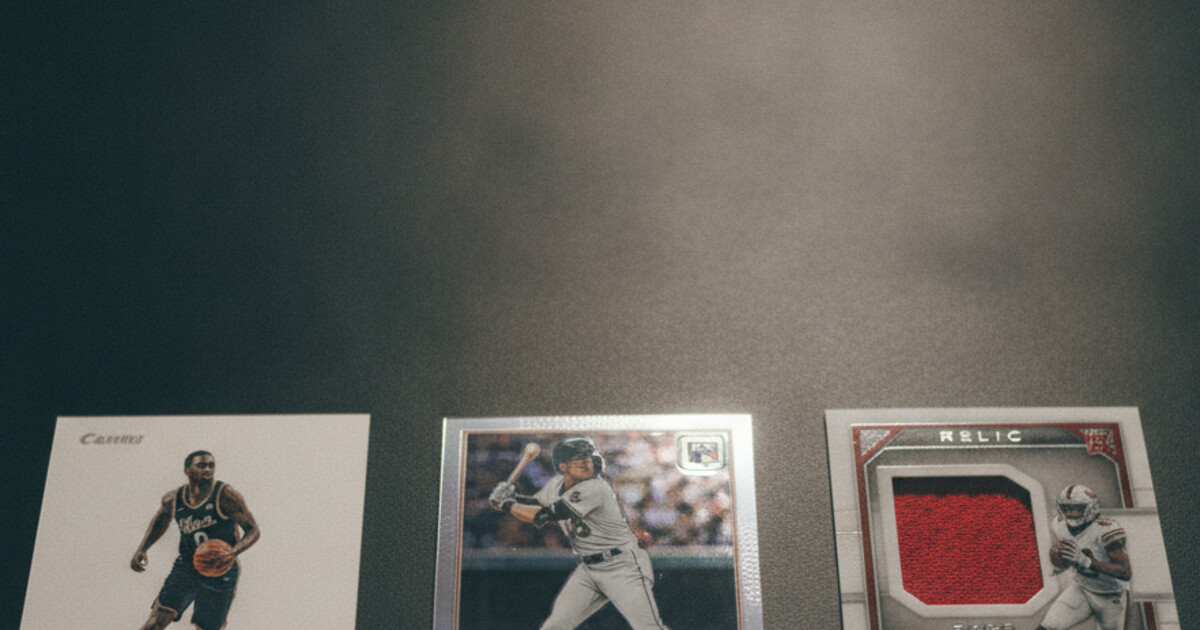
Most flagship sets are paper: Topps Series 1 and Series 2, Donruss, Upper Deck Heritage, and Panini’s non-Prizm products all use standard stock. Finish varies from semi-gloss to matte, but none have the chrome reflective surface.
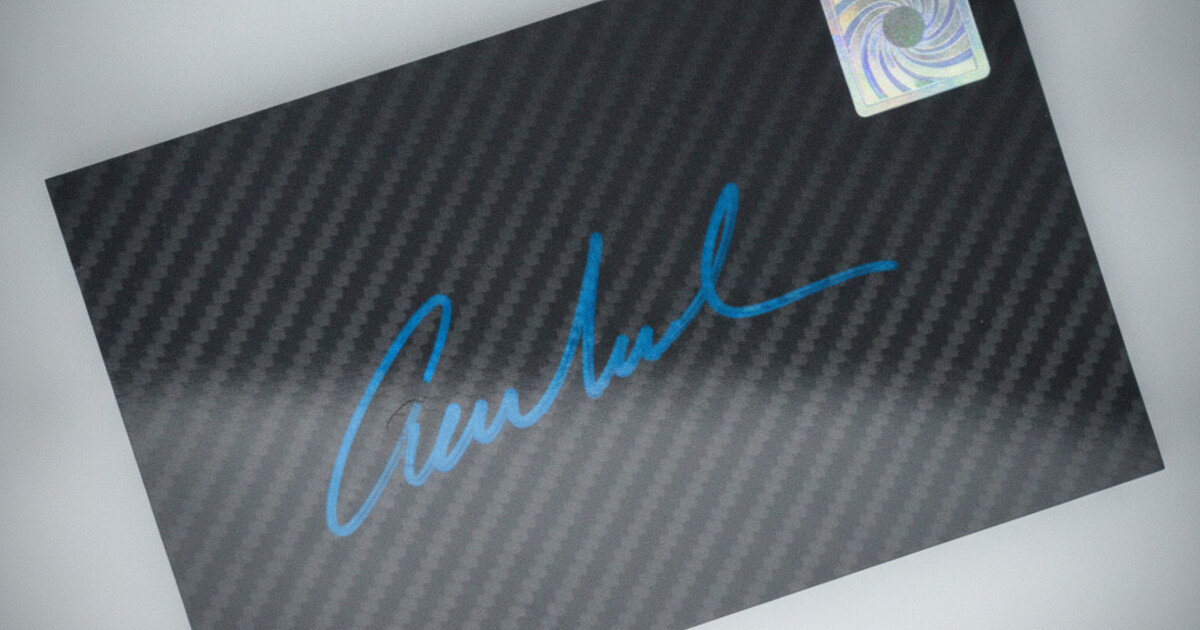
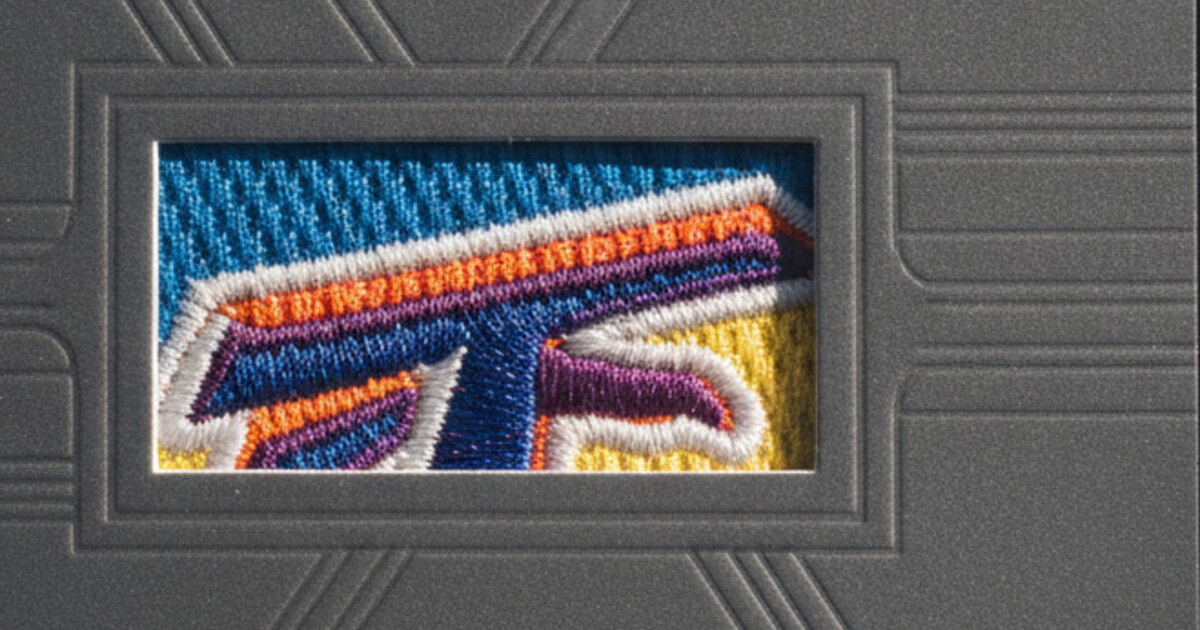
Paper cards aren’t lesser products. They carry the same RC designation as the chrome version of the same player. For certified autographs and patch cards, the base material matters less because the signature or game-worn piece is doing most of the value work. A paper base card might cost $2, but a paper base with a blue-ink on-card auto of a top rookie is a very different card.
Paper sets also have parallels. They’re typically foil, color, or matte finishes, but they’re not refractors. That distinction matters when you’re sorting what you’re holding. Our guide on what is a parallel card covers the difference between chrome parallels and paper parallels in detail.
How to Tell Chrome from Paper at a Glance
Tilt the card under a light source. A chrome card shows a clear reflective sheen, often with a slight rainbow shift at the edges when you change the angle. A paper card stays flat with no prismatic effect.
Flip the card over and look at the set name. Chrome products print “Chrome” or “Prizm” in the product name on the back. “2024 Topps Chrome” and “2024 Panini Prizm” are chrome. “2024 Topps Series 1” and “2024 Donruss” are paper.
Feel is another reliable tell. Chrome cards are slightly thicker and have a smoother, cooler surface than most paper cards. Once you’ve handled a few of each, you’ll notice the difference in a second.
If you scan the card with Stakks, the app identifies the set name automatically. You’ll see “Topps Chrome” or “Bowman Chrome” on the card detail screen without having to flip it over and squint.
Why Chrome Cards Sell for More Than Paper
3 factors drive the chrome price premium, and they compound.
Print run. Chrome products are printed in tighter quantities than their paper equivalents. A Topps flagship set is a $2-3 retail pack product sold in supermarkets and big-box stores everywhere. Topps Chrome packs cost more per pack and reach fewer collectors per season.
Refractor access. Chrome is the only substrate that carries refractor parallels. Every color-tiered, serial-numbered refractor in a hobby box comes from a chrome base card. Paper sets have parallels, but they’re foil or color variants. The refractor tier is where the most significant money lives in modern collecting, and it’s exclusive to chrome. Our guide on what is a refractor card walks through every tier from Base Refractor up to the 1/1 Superfractor and what each level typically sells for.
Grading upside. PSA 10 chrome cards carry larger premiums than their paper counterparts. A PSA 10 Bowman Chrome rookie of a top prospect can sell for 5 to 10 times what the raw copy brings. Chrome surfaces are harder to keep pristine because scratches and contact marks show more clearly under a grader’s light. Fewer cards earn the top grade, and those that do carry a significant premium.
These factors compound. A chrome card worth $20 raw can reach $150 or more graded. The paper version of the same player might go from $4 raw to $15 graded.
How Stakks Identifies Chrome vs. Paper Cards
Scan a card with Stakks and the app returns the set name on the detail screen. Scan a Topps Chrome card and you’ll see “Topps Chrome.” Scan a Topps Series 1 card and you’ll see “Topps Series 1.” You don’t need to memorize which products are chrome and which are paper.
The estimated market value Stakks shows also reflects the specific card type. Chrome and paper versions of the same player get separate price estimates based on what each actually sells for in recent market data. You’re not looking at a blended average across both types.
For anyone sorting an inherited collection or a bulk lot, scanning is faster than physically inspecting every card. The chrome cards come out in minutes rather than working through the stack one by one.
Understanding chrome vs. paper also ties directly into what makes a sports card rare. The base material is one of the first filters in any rarity assessment because chrome sets have tighter print runs and exclusive parallel tiers that paper sets can’t match.
Frequently Asked Questions
Is Bowman Chrome the same as Bowman base?
Bowman and Bowman Chrome are 2 separate products released the same year. Bowman base uses standard paper cardstock. Bowman Chrome uses chromium-coated stock and carries all the refractor parallels. A Bowman Chrome prospect card typically sells for 3 to 8 times what the same player’s Bowman paper card sells for.
Can paper cards have refractors?
No. Refractors only exist on chromium-coated cardstock. The refractive effect comes from the chrome surface itself. Paper sets can have colored parallels, foil inserts, or matte variations, but they can’t produce a true refractor. All refractors, from base refractor to Superfractor, are chrome cards.
What is Panini Prizm and does it count as chrome?
Prizm uses the same chromium-coating process as Topps Chrome, so it counts as a chrome product. Prizm is Panini’s flagship chrome set for basketball and football. A Prizm base card and a Topps Chrome base card are made from equivalent materials, just produced under different player licenses.
Why are chrome cards more easily damaged?
Chrome surfaces show contact marks, scratches, and edge nicks more clearly than paper under a grader’s light. Letting a chrome card slide against another card in a binder, or handling it without gloves, can leave micro-scratches that drop a PSA 10 to a PSA 9. Penny sleeves before toploaders are essential for chrome storage.
How much more is a chrome card worth than the paper version?
At the base level, chrome cards typically sell for 2 to 5 times their paper equivalent. At the parallel level, the gap gets much larger. A numbered chrome refractor parallel of a star player can sell for 10 to 30 times the price of a paper parallel at similar print-run levels. Scan both versions with Stakks to compare current market estimates side by side.
Scan your cards with Stakks to see the set name and estimated market value on the detail screen. Chrome and paper versions of the same card get separate price estimates based on real recent sales, so you always know what you’re actually holding. Download Stakks on the App Store or Google Play.