
Want to know what your cards are worth? Stakks is free.
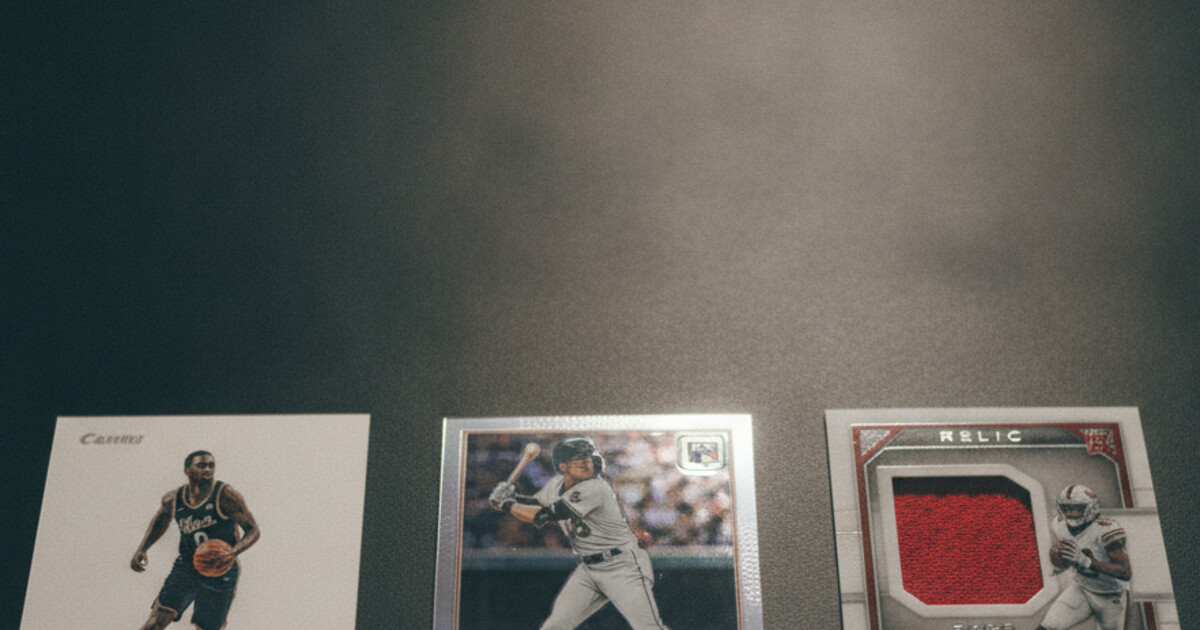
You pull 3 cards from a fresh pack. One shows a clean player photo on white card stock with the team logo. The second has a shiny border, gold foil lettering, and a small shield labeled “RC” in the corner. The third has a rectangular window cut into it with a jersey swatch embedded behind the card face.
Three cards from the same product, three different categories, three very different value profiles. Most collectors pick up these terms over time through YouTube breaks or forum threads. But knowing the difference upfront saves a lot of confusion when you’re sorting through a collection, evaluating a lot purchase, or deciding what to keep.
A base card is the standard player card in a set, printed by the millions. A rookie card is from a player’s first officially licensed season and carries the RC logo. An insert is a specialty card found at lower pack odds, including autographs, relics, and parallels. Rookie cards and inserts generally hold more value than base cards.
What Is a Base Card?
The base card is the foundation of every sports card set. Every player on the checklist gets one, and they print in high volumes, typically hundreds of thousands per variation in major releases like Topps Chrome or Panini Prizm.
Base cards show a player photo, name, team, and season information. They’re uniform in size and cardstock, with no special foil treatments, embedded materials, or stamped serial numbers. In a hobby box, base cards make up the bulk of your pulls by a wide margin.
In modern card releases, base cards account for roughly 70-80% of every box pull. They print in the hundreds of thousands per player variation, which keeps secondary prices low for most names. Exceptions exist: a base card of a player who develops into a star can appreciate significantly over time. A standard base card of Patrick Mahomes from his 2017 Donruss Optic set sold for under $1 when released and trades around $8-$15 today after multiple Super Bowl titles. Base cards from older low-print sets, particularly 1950s through 1970s Topps, behave differently because the entire production run was small by modern standards. For set builders, base cards are the backbone of a complete checklist. For value hunters, they’re the lowest-cost entry point for a player collection without paying an insert premium. A base card carries no serial number, no special foil treatment, no embedded material, and no designated low-odds pull symbol on the pack wrapper.
Value depends almost entirely on the player. A base card of a backup infielder from last season might sell for $0.10 on eBay, if it sells at all. The card type doesn’t create value. The player does.
What Is a Rookie Card?
A rookie card is a player’s first officially licensed trading card from their debut professional season. The trading card industry standardized the “RC” designation in 2006 with a shield-shaped logo printed on the card front. Before 2006, any card from a player’s early career could informally be called a rookie, which created confusion about which card was the “true” RC for older players.
Modern RCs meet specific criteria: issued by a licensed manufacturer, showing the player in their official team uniform, during their actual debut season. Pre-draft cards, prospect cards, and cards issued before the RC standard don’t carry the logo.
A few things distinguish rookie cards from standard base cards:
- The RC logo on the card front (for cards from 2006 onward)
- Issued during the player’s first professional season
- Multiple licensed sets often release RC-designated cards for the same player in the same year
The RC value premium is real. For players who go on to star careers, rookie cards tend to hold and appreciate over time. A base RC of Ja Morant from his 2019-20 Panini Prizm set trades around $30-$50 raw. The Prizm Silver parallel RC of the same card has sold for $200-$400 depending on condition.
Not every first-year card qualifies. Cards from unlicensed manufacturers, “XRC” cards from the 1980s, and cards from pre-draft prospect sets don’t earn the official designation. For a detailed breakdown on how to spot a true RC versus unofficial first-year cards, see the rookie card identification guide.
What Is an Insert Card?
An insert is any card seeded into packs at lower odds than the base set. The category covers a wide range of types:
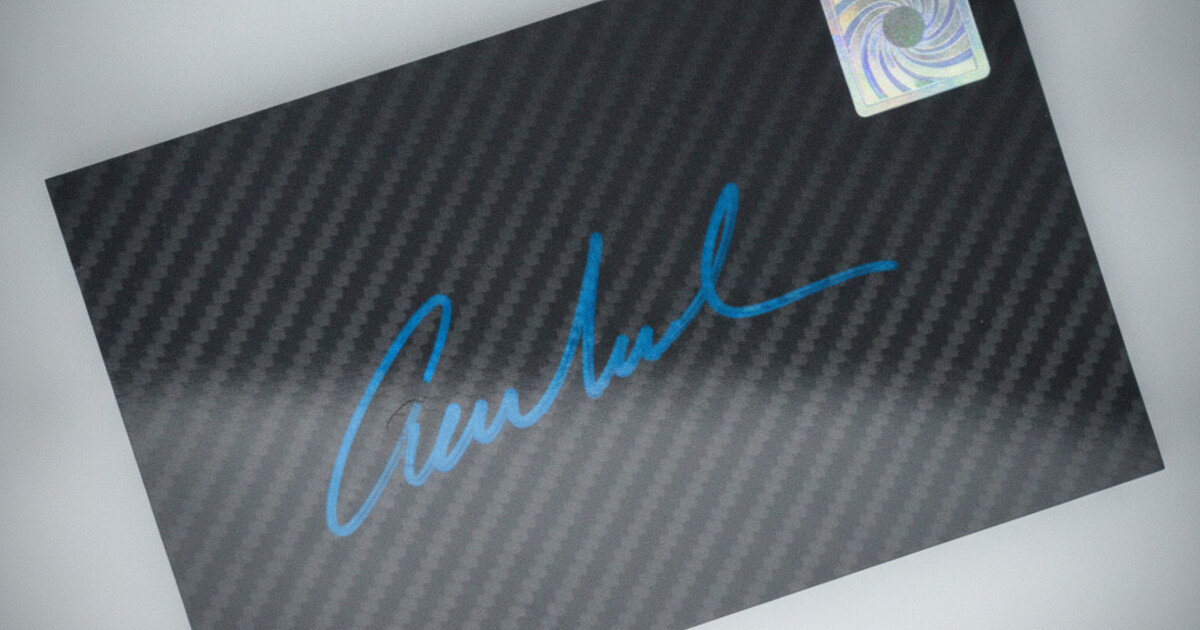
- Autographs (a player’s on-card signature, often on a sticker or directly signed)
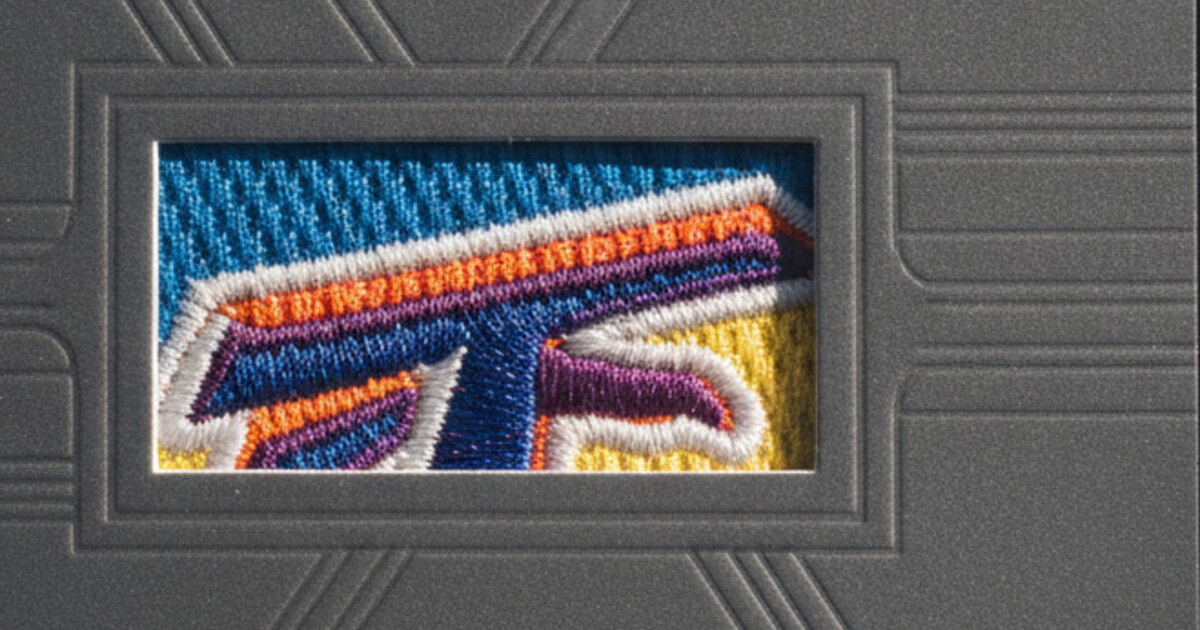
- Relic cards (embedded game-used material behind a window, jersey or bat pieces most common)
- Numbered parallels (color or foil variations of the base with a stamped print run)
- Short prints (base images printed at reduced rates, harder to pull from packs)
- Specialty design subsets (commemorative, historical, or themed cards with a distinct look)
Pull odds vary by product tier. Common inserts fall at roughly 1 in every 3 packs. Autographs typically show up at 1 in 40 to 1 in 200 packs in hobby products. 1-of-1 inserts like Superfractors and printing plates exist as single copies per player per card design.
Inserts entered the hobby in 1989 when Upper Deck introduced short-printed cards in packs to give collectors something to chase. Manufacturers saw how aggressively collectors went after them and built the format out through the 1990s until premium inserts became the primary reason most people buy hobby boxes today.
Value on inserts varies widely. A common design insert of a bench player might trade for $1-$2. An autograph of a franchise player from a premium set can hit $500 or more. Player demand, print run, and condition all pull the price in different directions. For the full breakdown of insert categories and how they’re valued, the insert card guide covers each type in detail.
How the Three Types Compare on Value
The same player can carry dramatically different card values depending on type. Using a current star as a reference point:
| Card Type | Example | Typical Raw Value |
|---|---|---|
| Base card | 2022 Topps Chrome Julio Rodriguez base | $3-$8 |
| Rookie card (RC) | 2022 Topps Chrome Julio Rodriguez RC | $20-$60 |
| Auto RC insert | 2022 Topps Chrome Julio Rodriguez Auto RC | $150-$400 |
The gap between a base card and a rookie card comes from the scarcity of debut opportunity. A player has exactly one first season. Once that window closes, no new RC-designated cards get issued for them. That built-in limit on supply creates a floor for players who succeed.
Inserts add another layer. Rarity, signature, and relic value stack on top of the player’s market. The most expensive cards in the hobby combine all three: a 1-of-1 rookie autograph relic of a generational player at the height of their career.
One thing that holds true across all three types: player trajectory matters as much as card category. A rookie card of a first-round pick who washes out of the league after two seasons won’t hold its opening value regardless of the RC designation. Understanding what makes a sports card rare gives you the full picture of what separates lasting value from early hype.
How Stakks Identifies All Three
Point the Stakks camera at any card and the app reads the type automatically. The scan result shows whether the card is a base, parallel, insert, auto, or RC-designated rookie, along with the set name, year, brand, and condition.
For base cards, you’ll see the standard card number and set name. For inserts, Stakks shows the insert name and any serial number designation. For rookie cards, the RC flag appears in the card details alongside the set and year.
Current market value pulls from recent sales data. You see the low price, high price, and a trend indicator showing whether that card is moving up, down, or holding steady. For collectors sorting through a box of inherited cards or a bulk lot from a card show, the scan-and-price workflow cuts hours of research into a few minutes.
Frequently Asked Questions
What is the difference between a base card and a rookie card?
A base card is the standard player card in a set, printed in large quantities for every player on the checklist. A rookie card is from a player’s first officially licensed professional season and carries the RC logo on modern cards, typically commanding a significant price premium, especially for players who develop into stars.
Can a rookie card also be a base card?
Yes. The base version of a first-year player’s card can be both a base card and RC-designated at the same time. In Topps Chrome, the standard base card of a debuting player carries the RC logo, making it the base card and the official rookie in the same product.
What counts as an insert card?
An insert is any card seeded into packs at lower odds than the base set. That covers autographs, game-used relic cards, numbered parallels, short prints, and specialty design subsets. Pull odds range from about 1 in 3 packs for common inserts to a single copy for 1-of-1 plates.
Are base cards worth collecting?
Base cards of star players hold real collectible value and are the most affordable way to start a player collection. A 2017 Donruss Optic base Mahomes traded for under $1 originally and sells for $8-$15 today. For common players, base cards rarely carry meaningful secondary market value.
How does Stakks identify card types automatically?
Stakks reads the card type from the scan result, showing whether a card is base, parallel, insert, auto, or RC-designated. The app also pulls current market value from recent sales so you know what the card is worth without searching eBay manually.
If you’ve got a pile of cards and aren’t sure what you’re looking at, scan them with Stakks. The app identifies base cards, rookie cards, inserts, and parallels in seconds and shows the current market estimate for each card. Download free on iOS and Android at stakks.app.