
Want to know what your cards are worth? Stakks is free.
Open a box of cards and most of what you pull are base cards: common, plentiful, worth a few cents each. But tucked in that same box might be a card worth $50, $500, or more. The difference isn’t luck.
Rarity in the hobby isn’t random. Card manufacturers build it in at the factory through controlled print runs, card types, and production decisions. Once you understand what makes a sports card rare, you can evaluate what you’re holding instead of guessing.
This guide covers the 7 factors that collectors and dealers use to assess rarity.
What makes a sports card rare comes down to a few specific factors: print run size, rookie card status, card type (autograph, relic, or insert), short print status, parallel tier, production errors, and condition. Cards numbered /25 or lower are always scarce. Rookie autographs of star players combine multiple factors, which is why they carry the highest prices.
What Makes a Sports Card Rare: Print Run and Serial Numbers
The clearest rarity signal in the hobby is a serial number printed on the card itself. A number like “47/50” means exactly 50 copies of that card exist anywhere. A “1/1” means one copy, period.
Serial numbers are the most objective rarity indicator collectors have. When a card is numbered /50, exactly 50 copies were printed with no exceptions. The number is stamped or foil-printed during production, making it impossible to add or fake afterward. Cards numbered /100 or fewer are generally considered scarce. Below /25, you’re in true rarity territory. Below /10, most serious collectors treat the card as a potential investment piece. One-of-one cards, labeled 1/1 or called Superfractors in Topps products, are the rarest a card can be; there’s no second copy anywhere in the world. For context, a base version of a card might have print runs in the tens of thousands. Its numbered /10 parallel is often 1,000x scarcer by volume. That gap in supply, combined with the same player and year, is what drives price gaps of $5 to $5,000 on otherwise similar-looking cards.
Unlike pull rates or speculation, the serial number makes rarity objective. You don’t need to research the set. The answer is stamped right on the card.
Rookie Cards, Autographs, and Relics
Rookie Cards
A true rookie card (RC) is a player’s first officially licensed card in a major set, from their first professional season. That RC designation ties the card to the player’s entry point into the league. If the player becomes a star, that card is the one collectors want most.
Patrick Mahomes’ 2017 Topps Chrome rookie, even in base form, trades between $80 and $200 depending on condition. His autographed numbered parallels from that year reach the thousands. The rookie year is where demand concentrates most.
Our guide on how to identify a rookie card explains the RC logo system and what qualifies as a true rookie card across major sets.
Autograph Cards
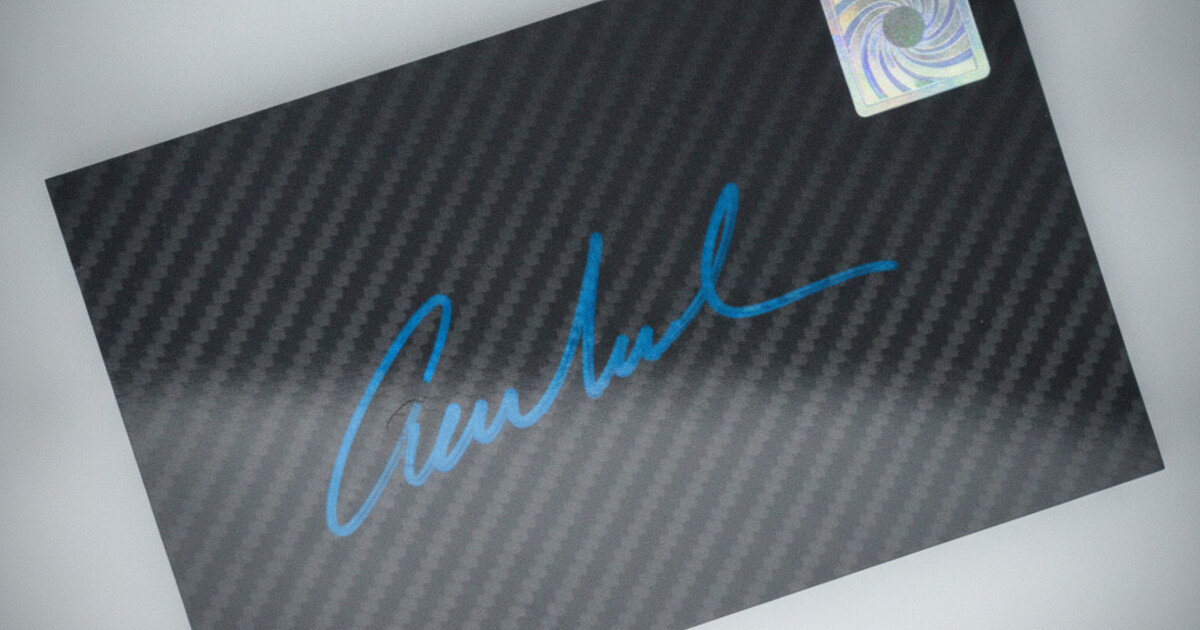
An autograph card contains the player’s actual signature, either signed directly on the card (on-card auto) or on a sticker applied to the card (sticker auto). On-card autos trade at a higher premium because collectors consider them more authentic and harder to produce at scale.
Pull rates vary by product tier, but a base auto in a mid-tier hobby box typically runs 1:150 to 1:300 packs. Patch autos can land 1:500 or rarer. A journeyman player’s autograph is still scarcer than any base card in the same box.
Relic and Patch Cards
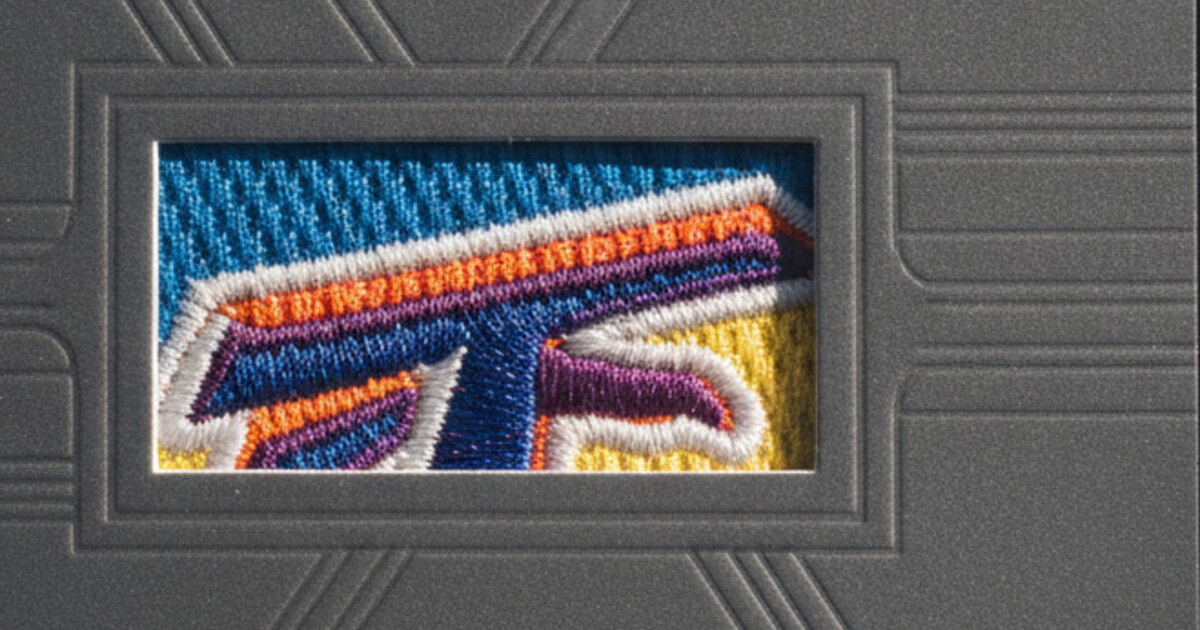
A relic card has a piece of game-used or event-worn material embedded behind a window in the card. The most common relic is jersey fabric. Patch relics contain a piece of a player’s actual on-field patch, which is smaller, more colorful, and harder to source in volume.
Multi-color patches from a player’s game-worn uniform can add $50 to $500 over the same card without a patch, depending on the player and the patch quality.
Short Prints, Parallels, and Errors
Short Prints
Some cards in a set look nearly identical to base cards but are printed at a fraction of the quantity. These short prints (SP) and super short prints (SSP) are buried deep in cases for collectors to hunt. A background detail or a different photo is often the only visual difference from the common version.
For a full breakdown of how to identify an SP or SSP, read our guide on what is a short print card.
Parallels
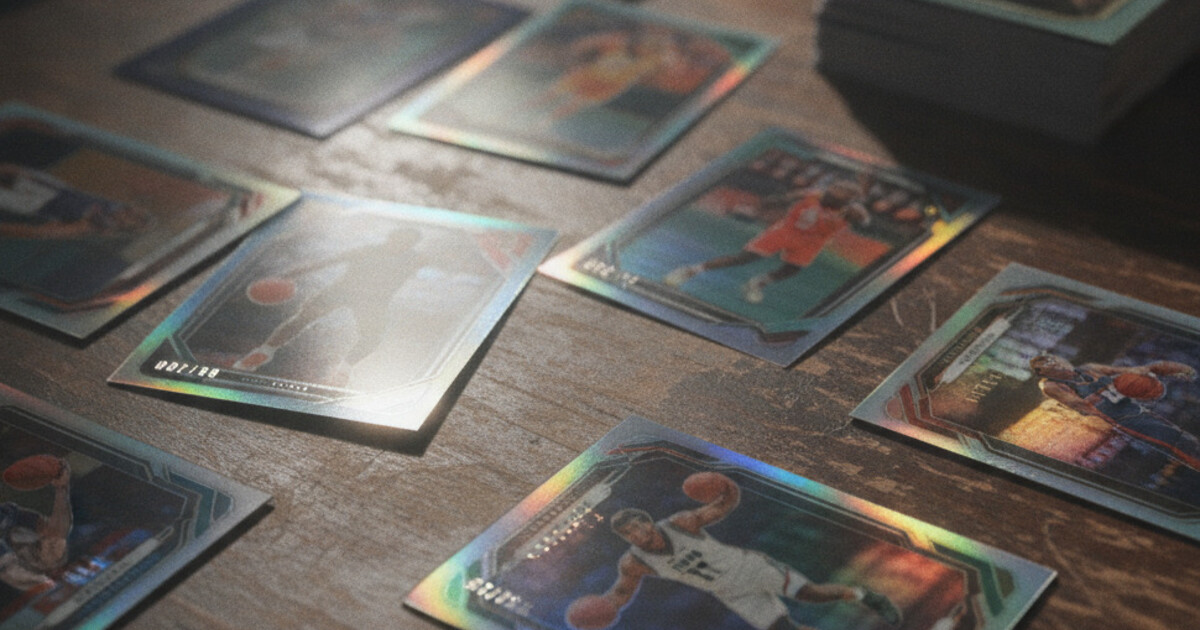
Parallels are alternate versions of base cards, printed in smaller quantities and usually marked by a color or foil finish difference. A base Topps Chrome Refractor is the most common parallel. A numbered /25 Gold is the same card printed at roughly 1/1,000th the quantity.
The parallel rarity ladder typically runs: base, refractor, color (/299, /199, /99), Gold /50, Red /25, Black /10, and 1/1 Super. Each tier is scarcer than the one below, and that scarcity is baked into the price. A shiny card that looks similar to a base card might be worth $2. The /10 parallel of that same player and year might be worth $200.
For a deeper look at how the tiered parallel system works, see our guide on what is a parallel card.
Error Cards
Printing mistakes happen. A wrong photo, a misspelled name, or a missing element that was caught after a small batch went out creates an error variation. If the corrected version replaced it quickly, the error copy becomes relatively scarce.
Error cards are unpredictable in value. The 1989 Billy Ripken card became a famous collectible. Others with minor errors that collectors don’t notice or care about stay cheap. Demand has to exist for rarity to translate into price.
How Condition Affects Rare Card Value
Condition isn’t a rarity factor on its own. A PSA 10 and a PSA 3 of the same card came from the same print run; the other copies still exist.
But condition creates functional rarity. Grading services like PSA publish population reports showing how many copies of each card grade at each level. When a popular vintage card has thousands of submissions but only a handful of PSA 10s, a gem-mint copy is functionally rare even though the print run was large.
Condition matters most for vintage cards. Cards from the 1950s through the 1970s were often handled as toys, not investments. Finding a 1969 Topps card in near-mint condition is genuinely hard because so few survived in that shape.
How to Spot Rare Cards in Your Collection
If you’re new to collecting, start with the serial number. Look for a stamped number like “47/100” on the front or back of the card. Low numbers mean low print runs.
Next, check the card type. Embedded patches, foil signatures, and thicker card stock all point toward something worth investigating further. If you’re not sure what you’re looking at, our guide on how to read a sports card covers how to decode the year, set, card number, and variation.
Finally, consider the player. Rarity only drives value when demand follows. A numbered /5 card of a player nobody collects might trade for $30. The same print run on a LeBron James or Patrick Mahomes card could be worth thousands.
How Stakks Identifies Rare Cards for You
Sorting a collection card by card is slow. Stakks makes it faster. Point your camera at a card and the app pulls up the player, year, set, card type, and condition in seconds.
Rarity signals like “numbered,” “parallel,” “insert,” and “refractor” surface automatically based on what the scan identifies. You don’t need to know the set name or the parallel tier. The app reads it from the card itself.
After identification, Stakks shows the current estimated market value from recent sales data. You’ll see a low price, a high price, and a trend indicator showing whether the card has been moving up, down, or holding flat.
Stakks works across baseball, basketball, football, hockey, and soccer cards. Free to download on iOS and Android. If you’ve got a shoebox to sort through, scan before you trade.
Frequently Asked Questions
What serial number makes a card rare? Cards numbered /100 or fewer are considered scarce. Below /50, demand from serious collectors picks up noticeably. Below /25, the card is firmly rare. Anything /10 or lower, or a 1/1, is in genuine short supply; there’s no way to get more copies when they’re all accounted for.
Can a base card be rare? Yes, in a few situations. Short print base cards are produced in far lower quantities than the standard version. Error versions can be scarce if the mistake was caught after only a small batch went out. And if a player becomes a major star after the card is printed, demand can outpace supply even on common cards.
Are all rookie cards rare? No. A base rookie from a high-volume set can be worth $1 or less. Rarity still depends on print run and card type. A base Topps Series 1 rookie might print in the millions. An autographed numbered rookie of the same player in a premium product might be one of 10.
What’s the difference between a rare card and a valuable card? Rarity is about supply: how many copies exist. Value is about where supply meets demand. A rare card of a player nobody collects can stay cheap. A common card of an all-time great can be expensive. The two concepts overlap but aren’t the same thing.
How do I know what my card is worth? Check recent sold listings for the exact card, matching year, set name, variation, and condition. Apps like Stakks pull this market data automatically when you scan the card, so you don’t have to dig through eBay sold filters manually for each one.
Stakks scans any sports card, identifies it down to the variation, and shows you the current estimated market value in seconds. If you’ve got a collection to sort through, it’s the fastest way to know what you’re actually holding. Download Stakks free on iOS or Android.