· 8 min read · collecting guides
What Is a Refractor Card? The Shiny Sports Card Explained
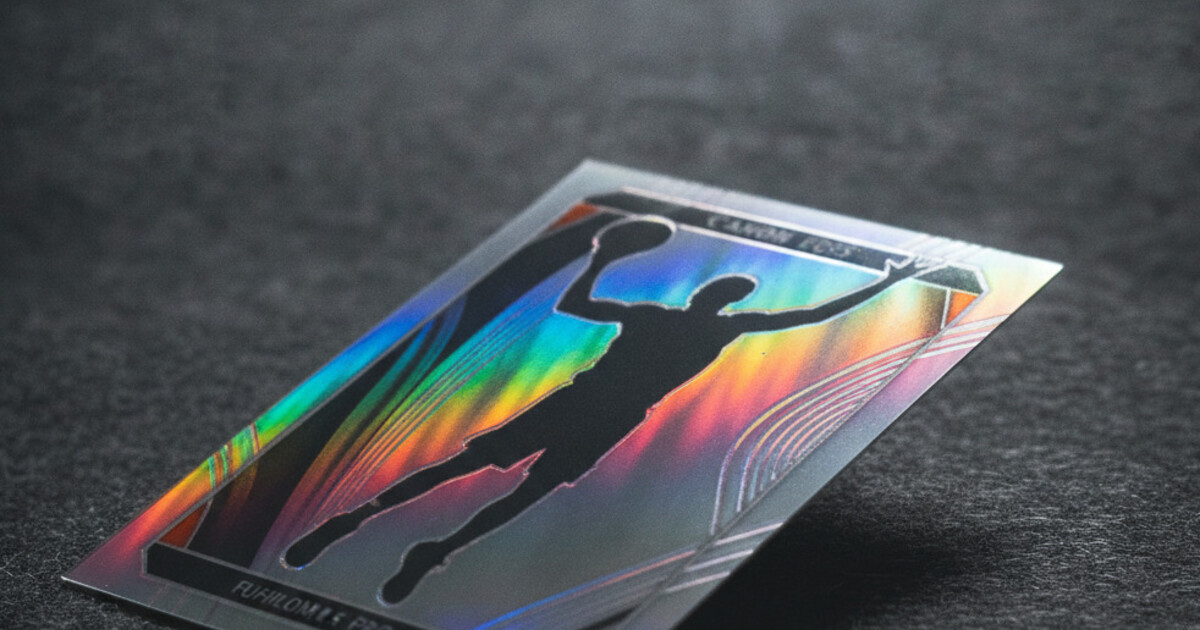
A refractor card is a parallel with a prismatic coating that bends light into a rainbow shimmer. Learn what makes them valuable and how to spot one.
Tips, guides, and insights from the Stakks team.
A refractor card is a parallel with a prismatic coating that bends light into a rainbow shimmer. Learn what makes them valuable and how to spot one.
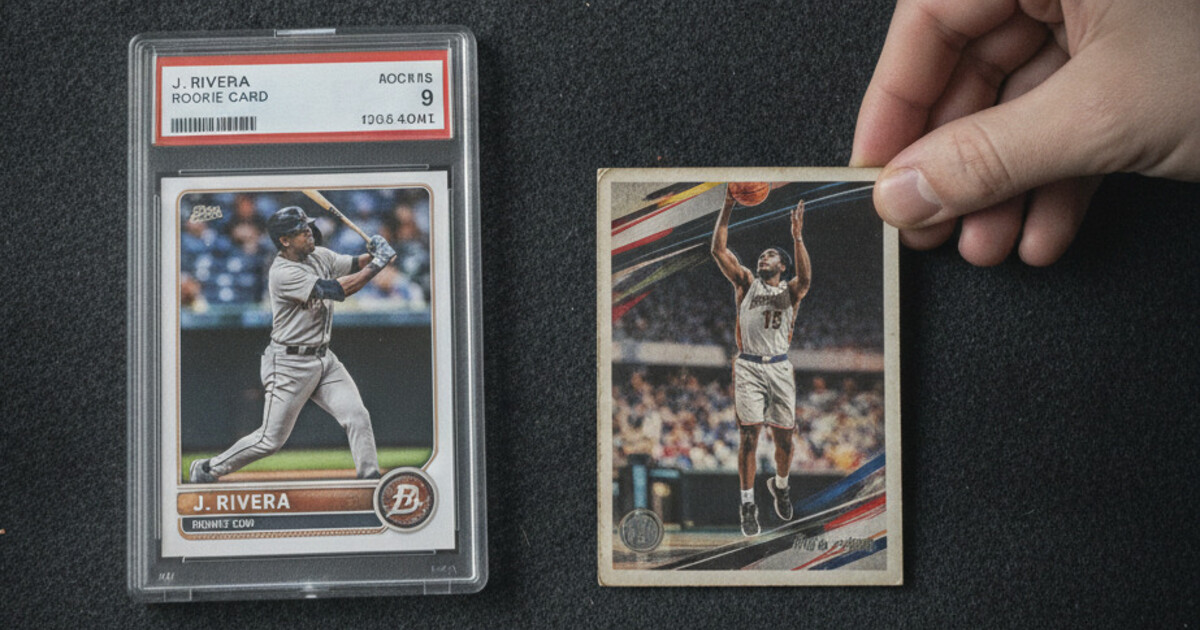
Graded cards can sell for 2-10x more than raw copies, but grading every card wastes money. Learn what the difference is and when grading actually pays off.

Learn what makes a sports card rare: print runs, rookie status, autographs, and more. Find out if your cards are worth more than you think.
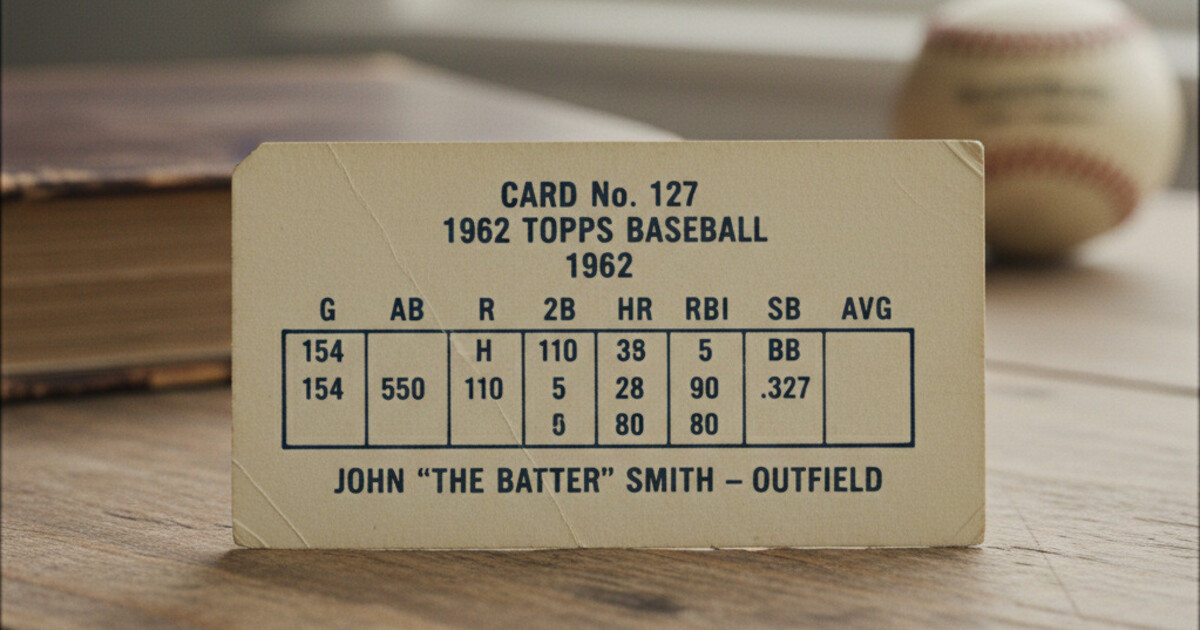
Learn how to read a sports card — find the year, set name, and card number, and understand what each detail means for value.

Short print (SP and SSP) cards are rarer versions of base cards printed in smaller quantities. Learn what they are, how to spot one, and what they're worth
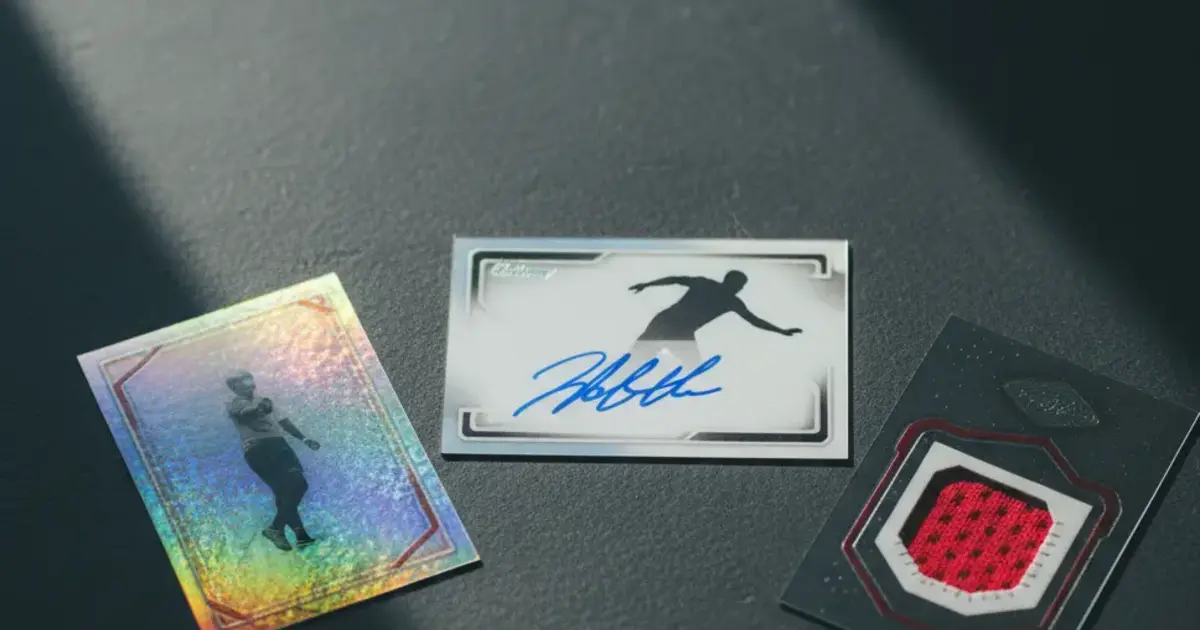
An insert card is a bonus card found in packs with its own unique design, not part of the base set. Learn what types exist and what makes them valuable.

RC stands for Rookie Card, a player's first officially licensed card. Learn what the RC logo means, why it drives value, and how to spot a true RC.
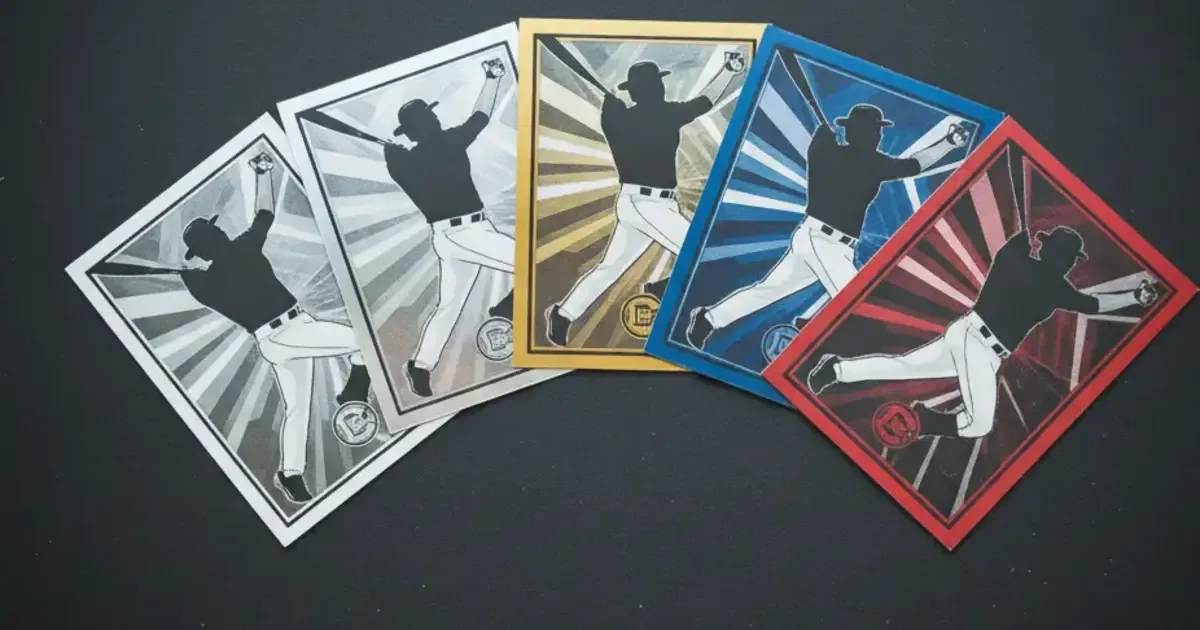
A parallel card is an alternate version of a base card printed in limited quantities with a different color or finish. Learn what makes parallels valuable.

Learn how to identify a rookie card — what the RC logo means, how to spot a true rookie vs. a reprint, and how to confirm the year and set in seconds.

Learn how to tell if a sports card is valuable — the 6 factors that drive price, what to look for, and how to check the real market value in seconds.

Asking "what's my card worth?" Here's how to find a sports card's real market value fast — what drives price, where to check it free, and how to skip the eBay digging.

Scan any sports card with Stakks to see its value and organize your collection — free.